
Find a Therapist in Copenhagen
Our team includes psychologists and psychotherapists who work in seven languages, with adults, couples, teens, children, and families, in central Copenhagen and online. Each profile explains how that therapist works, who they see, and which languages they speak.
If you'd like help choosing, book a free 15-minute intro call or send us a message, and we'll suggest someone to start with.
Not sure who to choose? Book a free intro call and we'll suggest someone.
OUR TEAM

Gabriela Palú
Pszichoterapeuta MPF, BSc pszichológia
Nyelvek: angol • portugál
Munkamenet típusok: Egyéni terápia • Terápia tinédzsereknek • Online terápia
Olyan felnőttekkel és tinédzserekkel dolgozom, akik úgy érzik, hogy az élet nem egészen helyénvaló, feltárva azokat a mintákat, amelyek megrekedt állapotban tartanak bennük, hogy értelmesebb életet élhessenek.

Ványi Dániel
MA pszichológia, pszichoterapeuta MPF
Nyelvek: angol • magyar
Üléstípusok: Egyéni terápia • Online terápia
Munkám arra összpontosít, hogy az emberi kapcsolatok hogyan enyhíthetik az érzelmi nehézségeket, különösen a szorongást, a magányt, a rosszkedvet, a haragot és a párkapcsolati problémákat.
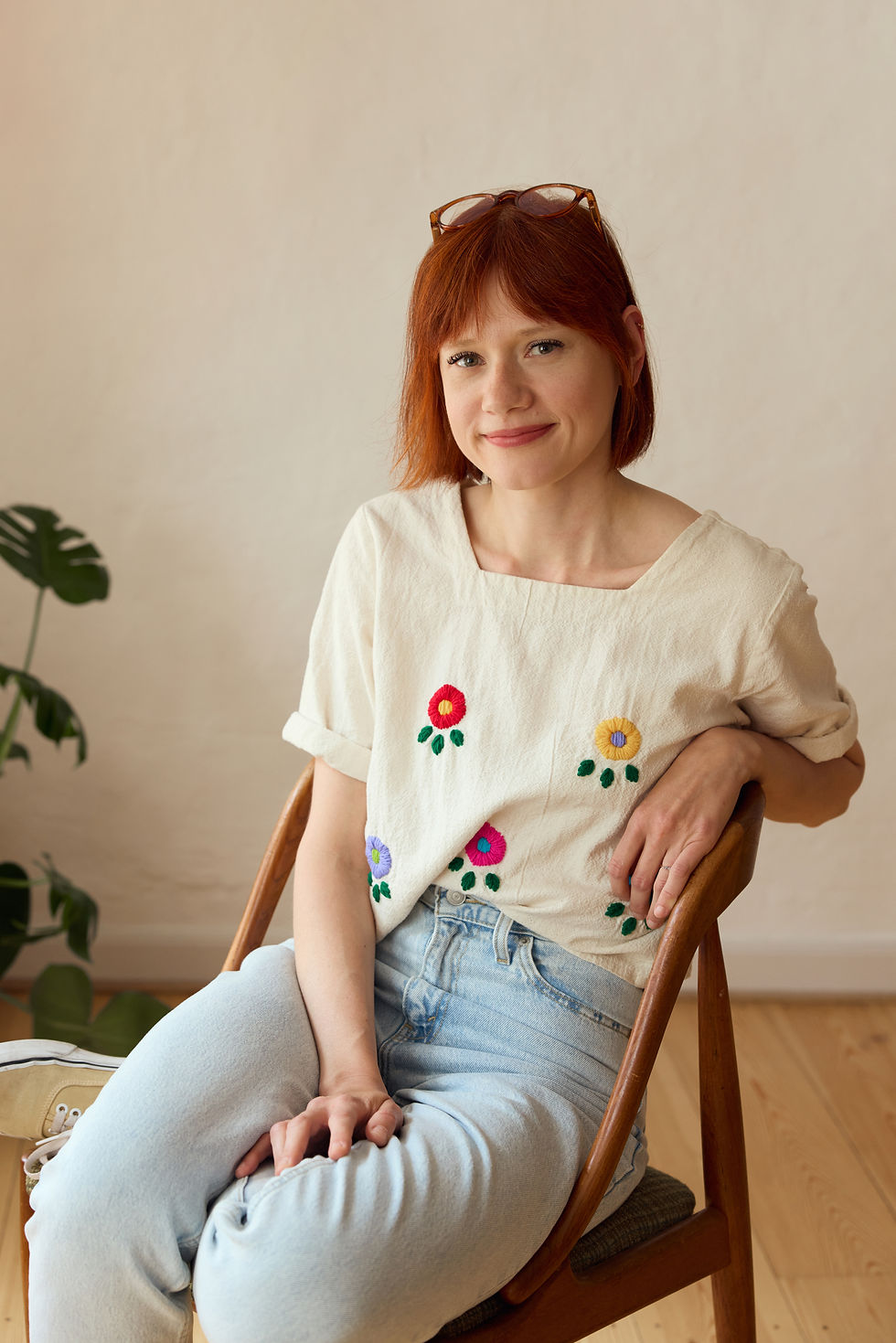
Gyüre Edina
Gyermek- és ifjúságpszichológus, Dániában bejegyzett pszichológus
Nyelvek: angol • magyar
Üléstípusok: Gyermekterápia
Játék és képzelőerő révén segítek a gyerekeknek megérteni, mi történik bennük és körülöttük, miközben szorosan együttműködöm a szüleikkel.
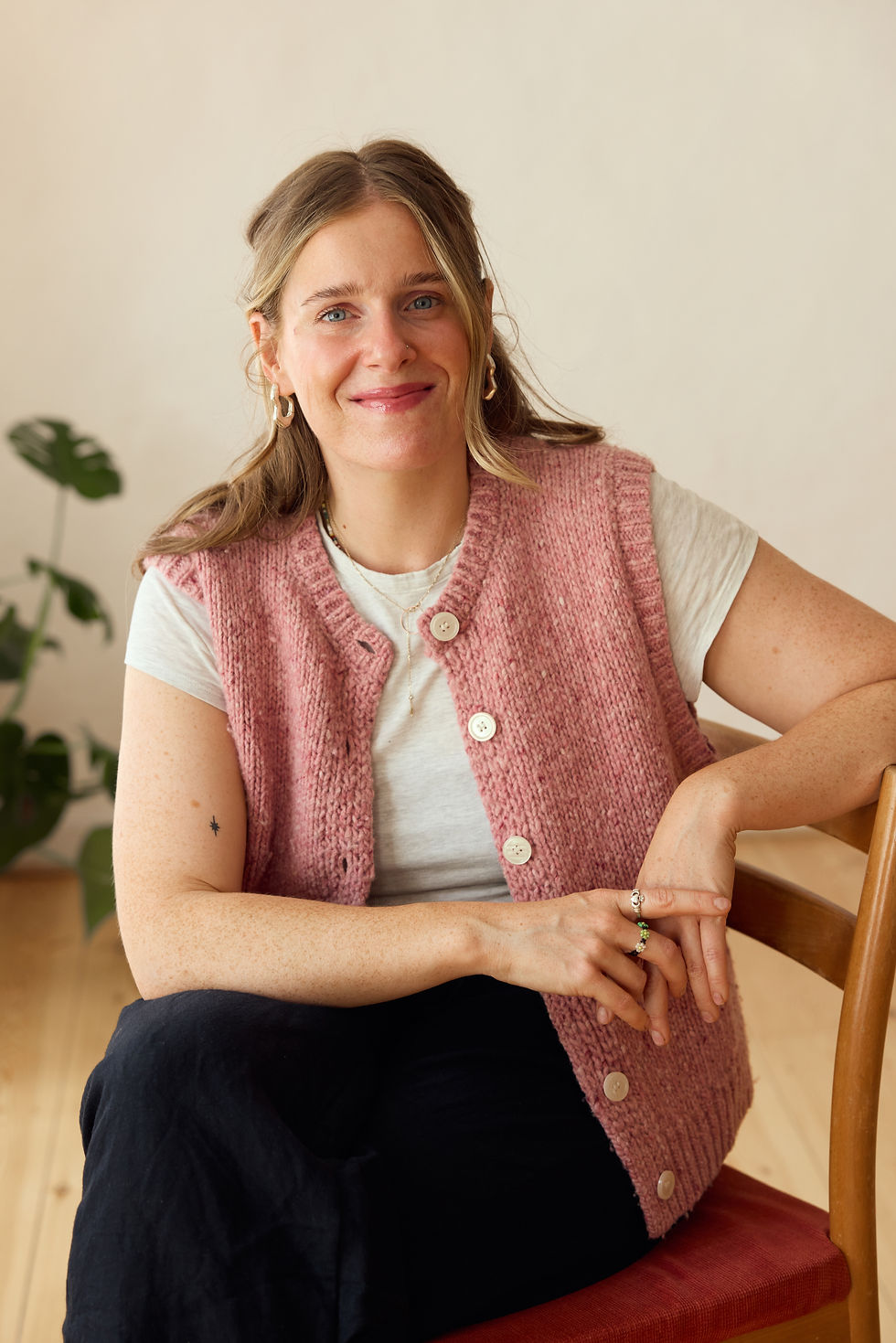
Lauren O'Hagan
MA Drámaterápia, Kreatív Művészeti Terapeuta és Pszichoterapeuta MPF
Nyelvek: angol
Foglalkozástípusok: Gyermekterápia • Egyéni terápia • Tizenévesek terápiája • Online terápia
Kreatív művészetterapeuta vagyok, felnőttekkel, gyerekekkel és tinédzserekkel dolgozom, a beszélgetést kreativitással és képzelőerővel ötvözve, mindig a te tempódban.
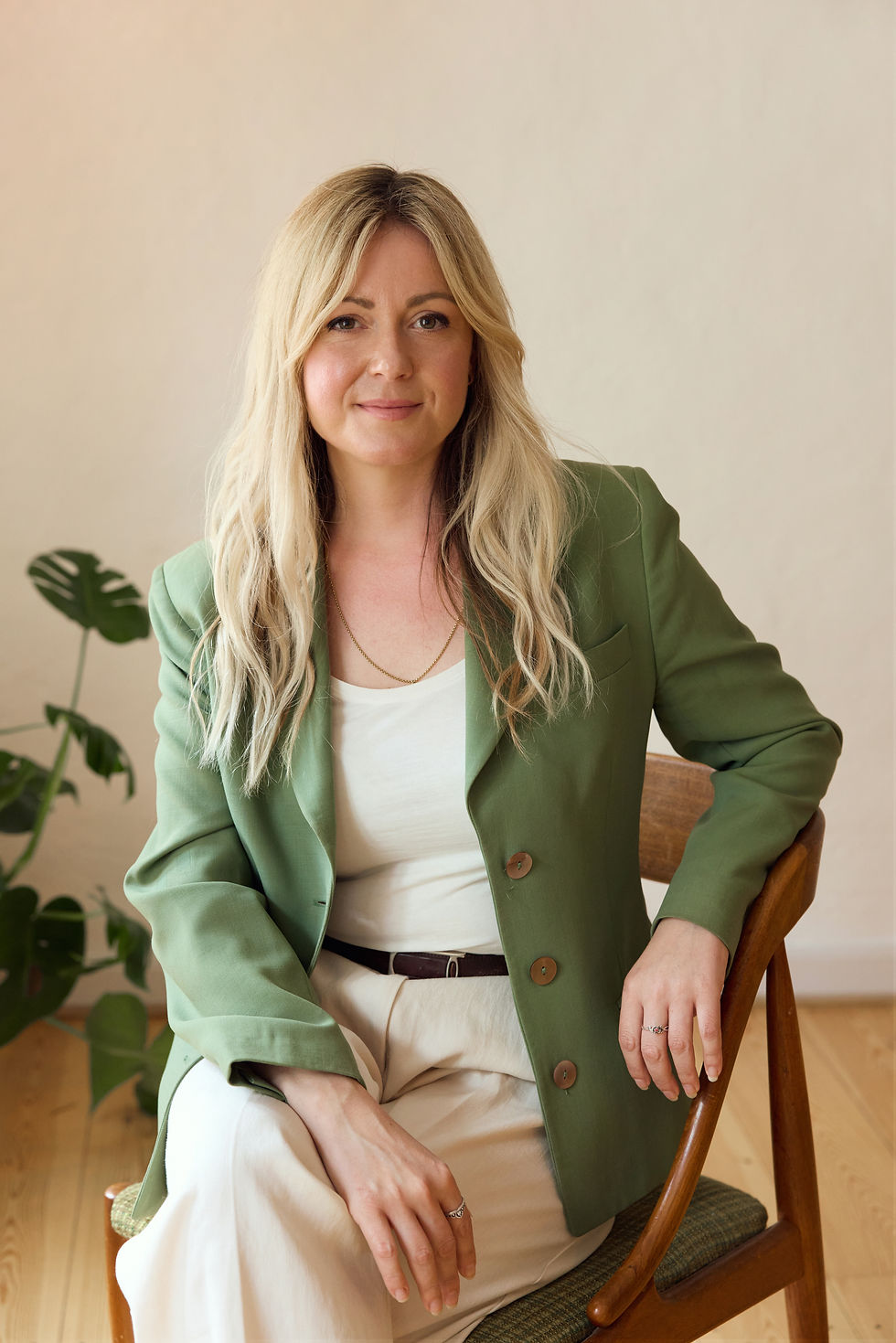
Lana Kunštek
MA, Body-oriented Psychotherapist MPF, EABP
Languages: English • Croatian
Session Types: Couples Therapy • Online Therapy • Individual Therapy
I'm a body-oriented psychotherapist working with individuals and couples, especially through grief and loss, trauma and transitions, with attention to how body, mind, and nervous system shape what we feel.
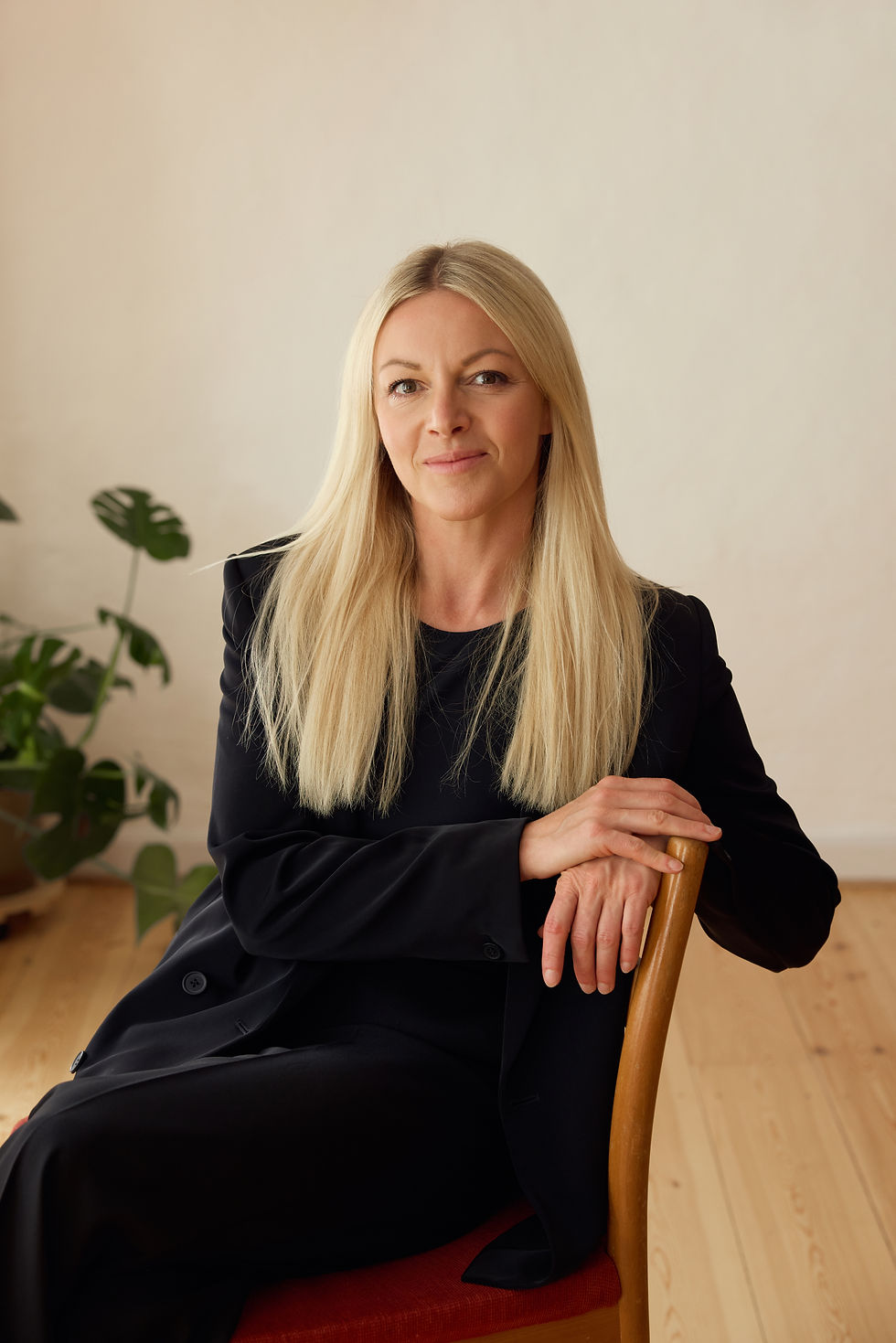
Andrea Hörandner
MA, Integratív Testorientált Pszichoterapeuta MPF
Nyelvek: angol • német
Üléstípusok: Párterápia • Egyéni terápia • Online terápia
Egyénekkel és párokkal dolgozom, akik szorongással, intimitással és identitással küzdenek, és azt vizsgálom, hogyan veszítjük el a kapcsolatot önmagunkkal, és hogyan találjuk meg a visszautat.
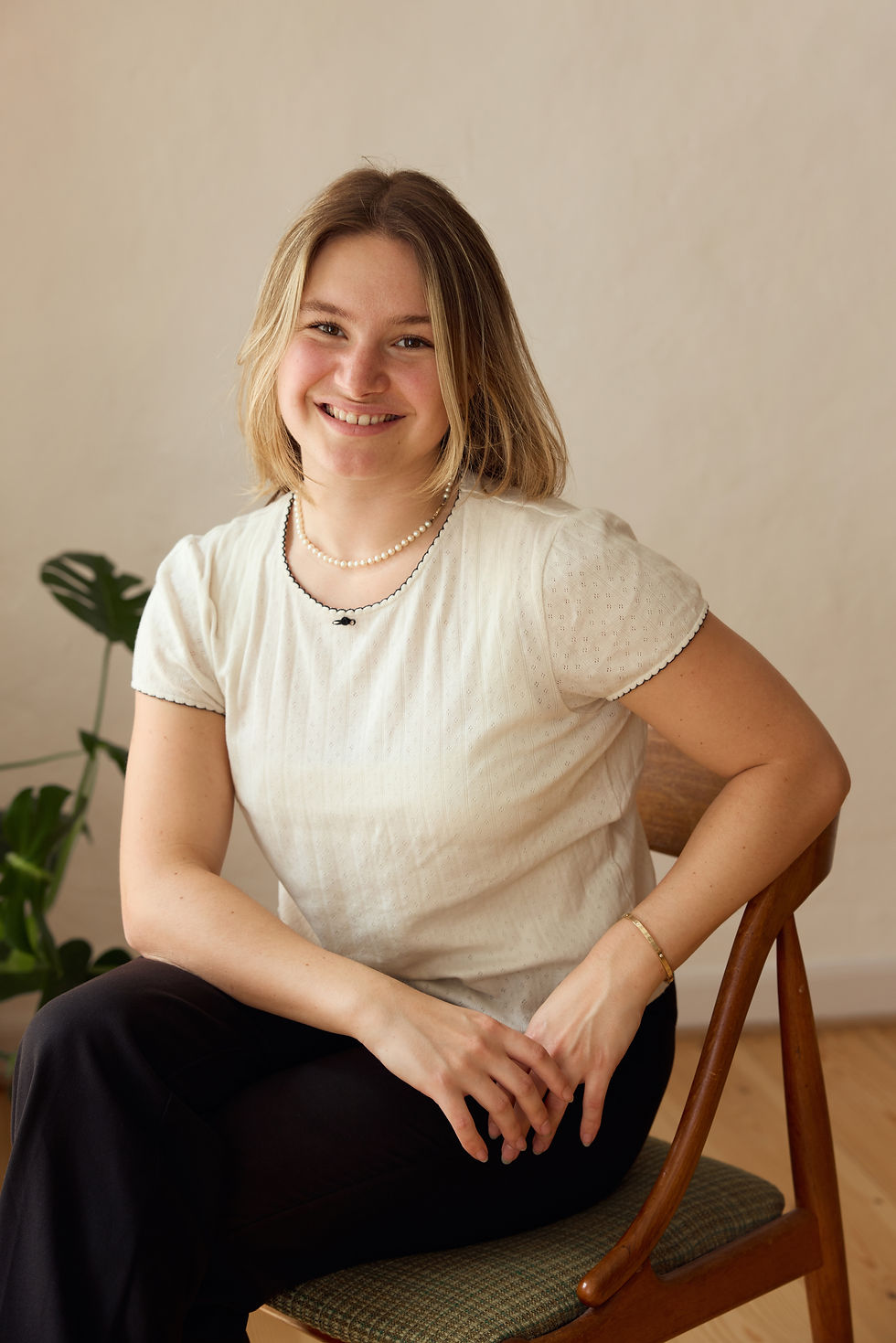
Annalisa Jelmoni
Authorised Psychologist
Languages: English • German • Italian • Danish
Session Types: Couples Therapy • Individual Therapy • Therapy for Teens • Online Therapy
I help adults, couples and teens understand themselves and find practical ways forward with anxiety, stress, relationships, trauma and life transitions.
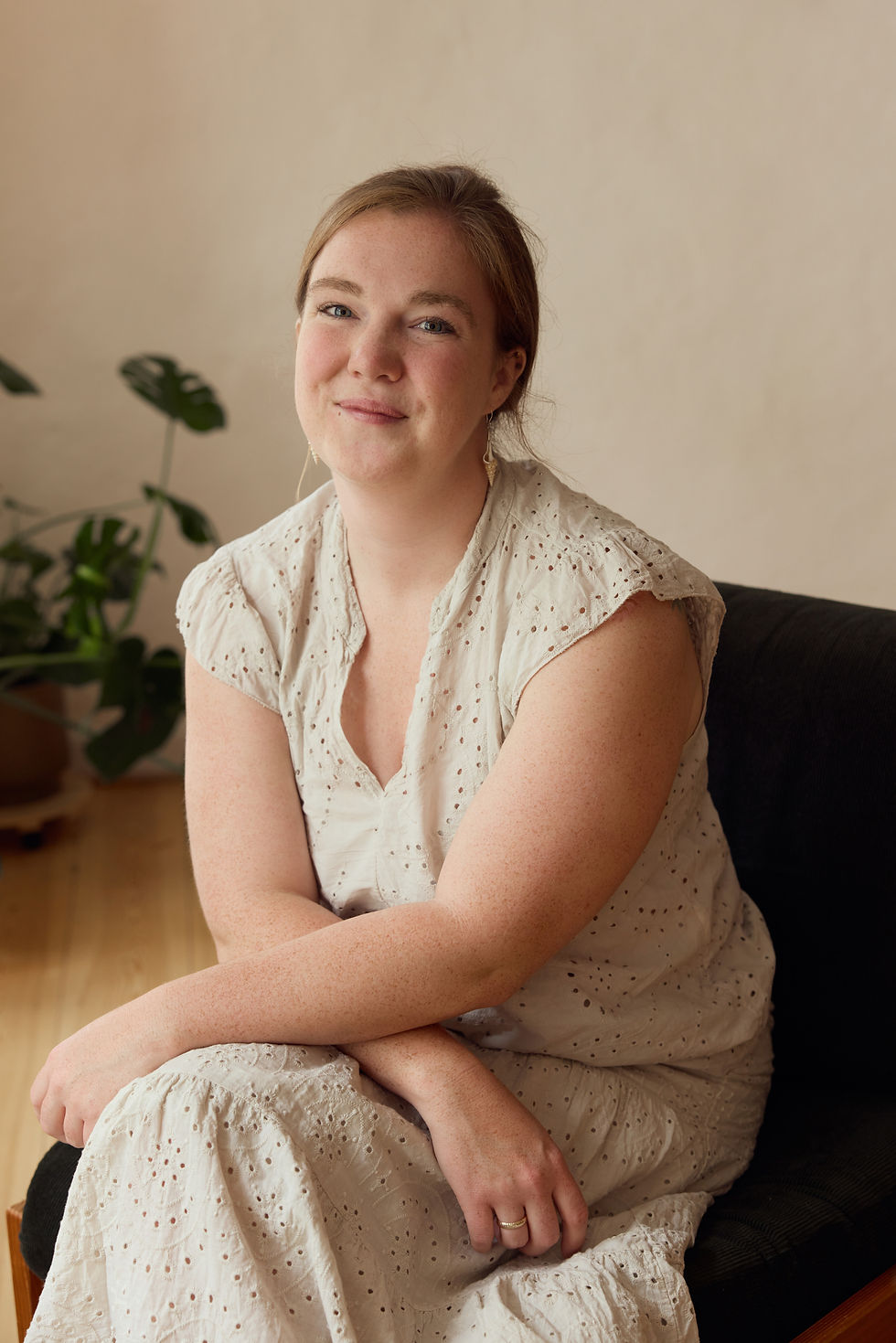
Melanie Bühne
MSc, pszichológus/pszichológus DP
Nyelvek: angol • német
Üléstípusok: Egyéni terápia • Tizenévesek terápiája • Párterápia • Online terápia
Felnőttekkel, párokkal és tinédzserekkel, akik közül sokan neurodivergensek, szorongás, túlgondolkodás és stressz kezelésében dolgozom, a kognitív viselkedésterápiát, a mindfulness-t és a testalapú módszereket ötvözve.

Ariel Andersen
Alapító, MA Pár- és Családterápia, pszichoterapeuta MPF
Nyelvek: angol
Üléstípusok: Párterápia • Családterápia • Egyéni terápia • Tizenévesek terápiája • Online terápia
Egyénekkel, párokkal, családokkal és tinédzserekkel dolgozom, a kényszerbetegségekre és a szorongásra specializálódva, közvetlen, együttműködő stílusban, arra összpontosítva, hogy segítsek neked szabadabban élni.
How to choose a therapist in Copenhagen
Reading several therapist profiles can leave you wondering where to start. You might recognise yourself in more than one description, or feel unsure which approach would suit you.
Start with what brings you to therapy. Perhaps worry is taking over your evenings, you keep having the same argument with your partner, or you feel lonely despite having people around you. Look for a therapist whose experience relates to the difficulties you want help with.
Then consider how you would like to work. You may prefer direct questions and practical exercises. You may want space to explore your history, relationships, or sense of direction. You might find it helpful to include creativity, movement, or attention to physical sensations.
You do not need to know the name of a therapy approach before getting in touch. You can describe what is happening and ask how the therapist would work with you.
Therapy in English and other languages
Language can shape how freely you speak in therapy. You may manage daily life in Danish but find it easier to describe grief, anger, or relationship difficulties in another language.
Our team offers therapy in English and several other languages. Each profile lists the languages that therapist works in. Choose a language in which you can explain what matters to you, ask questions, and say when something does not feel right.
Living abroad may also be part of what brings you here. Starting again in a new country can affect friendships, work, family roles, and your sense of belonging. You are welcome to talk about these experiences alongside anything else you are facing.
Questions to ask before starting therapy
An introductory conversation gives you a chance to learn more about a therapist’s way of working. You could ask:
Have you worked with the difficulties I am describing?
What might our first few sessions involve?
How do we decide what to focus on?
Do you suggest exercises or practice between sessions?
How will we review whether therapy is helping?
What are your fees, availability, and cancellation terms?
You can also mention anything that would help you take part. This might include a preference for clear questions, time to think before answering, or a more structured session.
Finding support for yourself, your relationship, or your child
Check who each therapist works with before booking. Some work with individual adults, while others also see couples, children, or teenagers.
For couples therapy, consider what you want help with together. You might want to address repeated conflict, rebuild trust, or find a way to discuss a difficult decision. Ask the therapist about their experience with your concerns and how they involve both partners.
When looking for support for a child or teenager, ask about the ages the therapist works with and how parents are involved. You can also ask how sessions are adapted to the young person’s needs and how information is shared with the family.
What if I am unsure who to book with?
You can contact Village Therapy for help choosing where to start. Tell us a little about what you want support with, your preferred language, and any practical needs, such as appointment times.
You do not need a diagnosis or a carefully prepared explanation. A few sentences about what has been difficult are enough to begin the conversation.
How will I know whether a therapist suits me?
During your first conversations, notice whether you have room to ask questions and explain things in your own words. Can you say when the therapist has misunderstood you? Do you understand what you are working towards together?
You may need time to feel comfortable. You can tell your therapist if the pace feels too fast, you need more direction, or you want to focus on something different. These conversations can help shape the work around your needs.
If the fit does not feel right, you can discuss other options. Finding someone you can speak openly with is a reasonable part of choosing therapy.