-2.png)
Is Therapy in English or Other Languages Common in Denmark? What Internationals Should Know

If you’re looking for therapy in Denmark, you may be wondering whether you’ll need to have sessions in Danish. Perhaps you’re still learning the language, or you speak it comfortably but would prefer English when talking about something personal.
You can find therapists who work in English, including in Copenhagen. Other languages are available too, although finding someone with the right combination of language, experience, and availability can take some searching.
How do you know whether a therapist offers sessions in English?
Check their website for the languages they work in. If it isn’t clear, ask whether they regularly conduct therapy in your preferred language.
Many Danish therapists work comfortably in English. Others practise primarily in Danish. What matters is whether you and the therapist can understand each other well enough to have the conversations you need to have.
An introductory call can give you a sense of this. Can you explain what brings you in without repeatedly simplifying what you mean? Are their questions and explanations easy to follow? Do you feel comfortable correcting them if they’ve misunderstood something?
You don’t need identical backgrounds or perfect vocabulary. You do need room to clarify things without feeling rushed or embarrassed.
Which language should you choose for therapy?
Your first language may feel like the easiest place to start. You might have words for feelings, family experiences, or memories that you rarely use in Danish.
But people’s relationships with language differ. You may have spent most of your adult life speaking English, even if it isn’t your first language. Certain experiences might be easier to describe in the language you were speaking when they happened. Some people also find that using a second language gives them a little distance from something painful and makes it easier to begin talking.
Consider which language lets you say what you mean with the least effort. You can discuss this with a prospective therapist, especially if you tend to switch languages when talking about different parts of your life.
What about therapy in other languages?
If you’d prefer therapy in another language, look for practitioners who explicitly offer it. Check their experience with the concerns you want help with as well as their language skills.
For couples, it’s particularly useful to choose a language both partners can participate in comfortably. If one person is struggling to follow the conversation or express themselves, bring that up early.
Does the therapist need experience with international life?
That can be helpful, especially if living abroad is part of what brings you to therapy.
You might be struggling with loneliness, a change in your working life, or disagreements with a partner about where to live. Perhaps you feel capable in most areas of life but find yourself relying on someone else to handle Danish phone calls and paperwork. Or you’re trying to build a support system while raising children far from family.
A therapist familiar with these experiences may understand some of the context more readily. They should still be curious about your particular situation. Moving to Denmark means different things to different people.
Therapy in English at Village Therapy
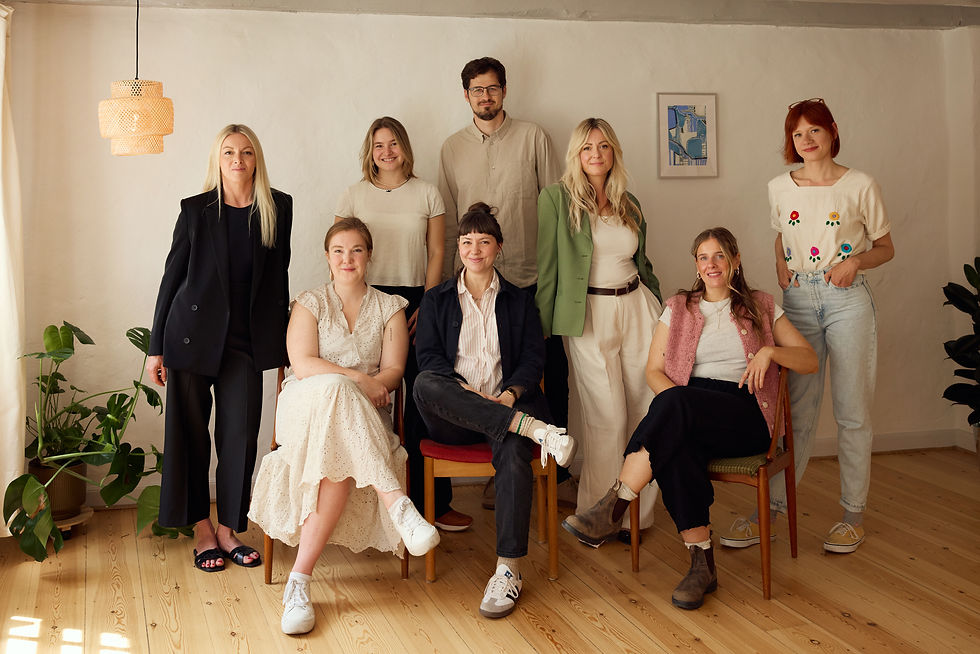
At Village Therapy, we offer therapy in English in Copenhagen, and members of our team also work in other languages. You can check our therapist profiles to see their languages and areas of experience.
If you’re unsure who would be a good fit, you can book a free 15-minute introductory call. Let us know which language you prefer and what you’re looking for help with.

Comments